


Learning by doing
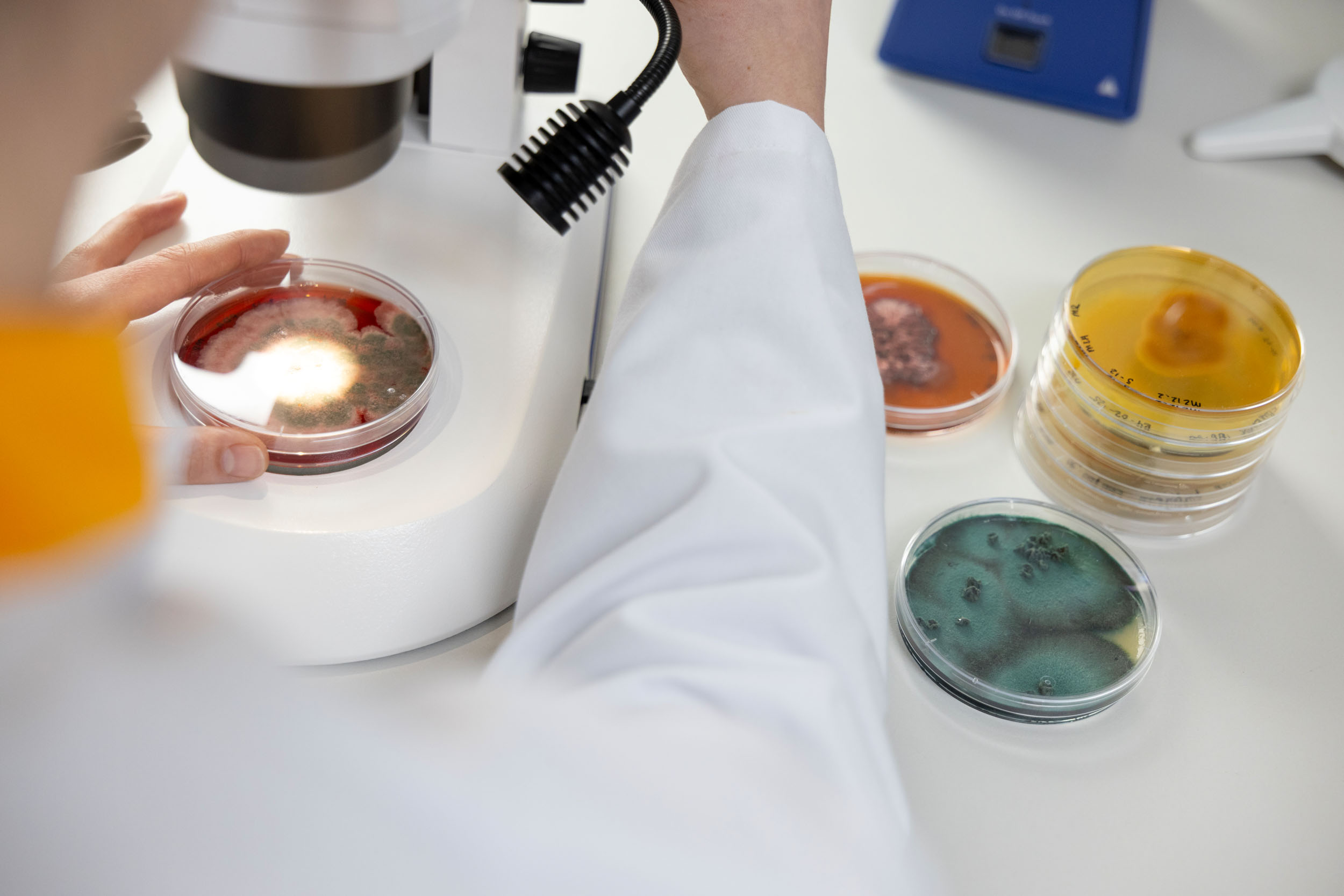
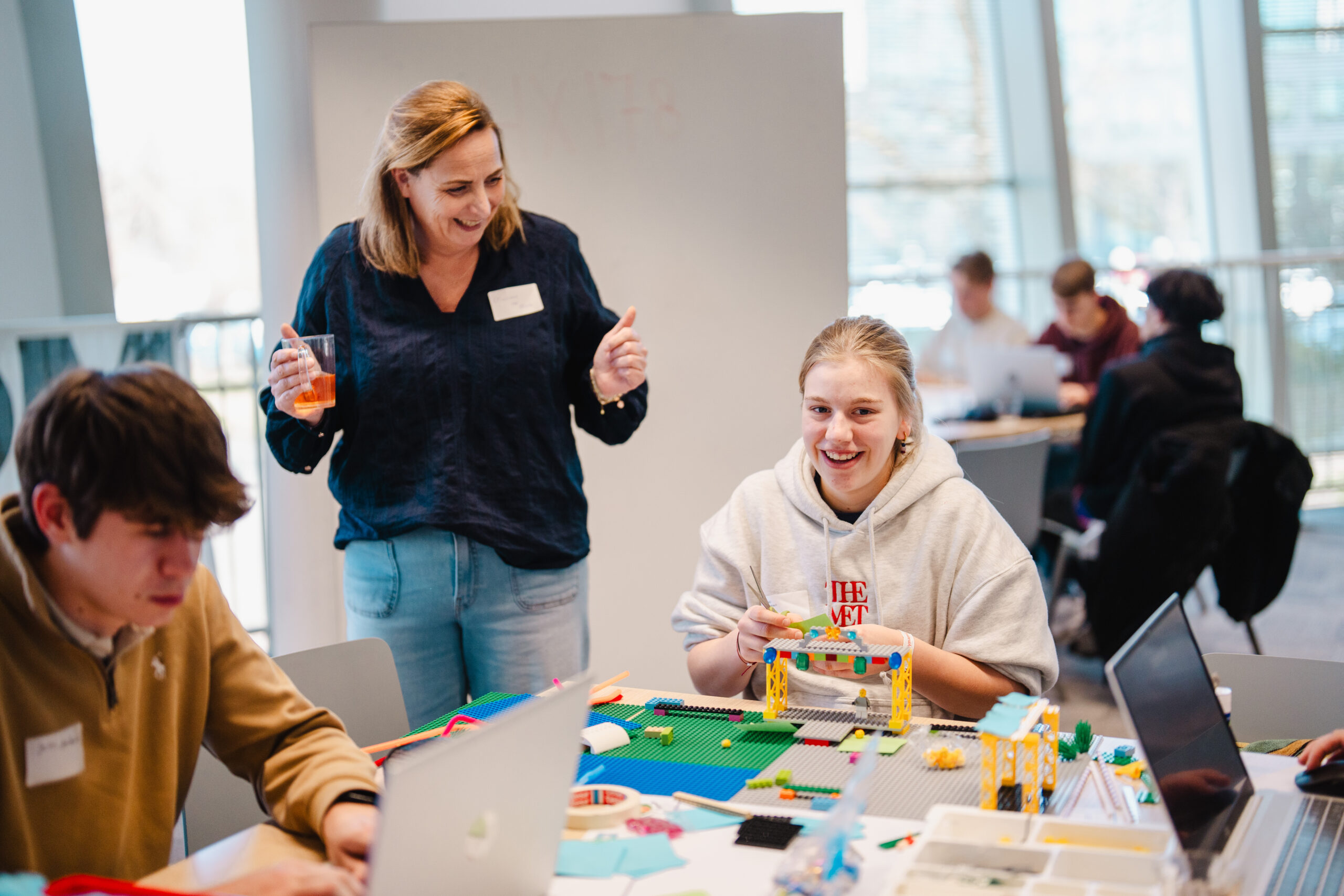
The strength of Explore Green Futures lies in its approach: it is not just about listening, but above all about getting hands-on experience. Students investigate, analyze, and develop ideas that allow them to make a genuine contribution to addressing societal challenges. According to lecturer Ilse Rovers, this is essential. “If they’ve never had a taste of research, they don’t really know what it’s like.” That is precisely why the module allows students to experience how research works: from exploring an issue to formulating solutions. Student Filip Filipowicz also looks back on the experience positively. “The most important thing was that we, the students, were actually doing things ourselves, rather than lecturers just telling us how to do them. We had to conduct our own research and figure out how to make a real impact.”
Working on real-world transition challenges
The themes covered in the module align with the major issues of our time—such as the energy transition, circular materials, and sustainable innovations. This makes the content both relevant and up-to-date. Students do not work on a hypothetical assignment; instead, they tackle issues that directly relate to real-world research and innovation practices.
In the process, they also learn to collaborate across the boundaries of their own disciplines. Ilse explains: “The issues we deal with here at MNEXT are, of course, at the very least multidisciplinary. In fact, they are transdisciplinary.” In other words, these are challenges that can only be solved by combining knowledge and perspectives. This experience is valuable precisely because professional practice increasingly demands it; professionals rarely work from the perspective of a single specialization alone. Learning to collaborate on complex societal challenges now builds skills that will prove directly useful later on.
Direct contact with researchers
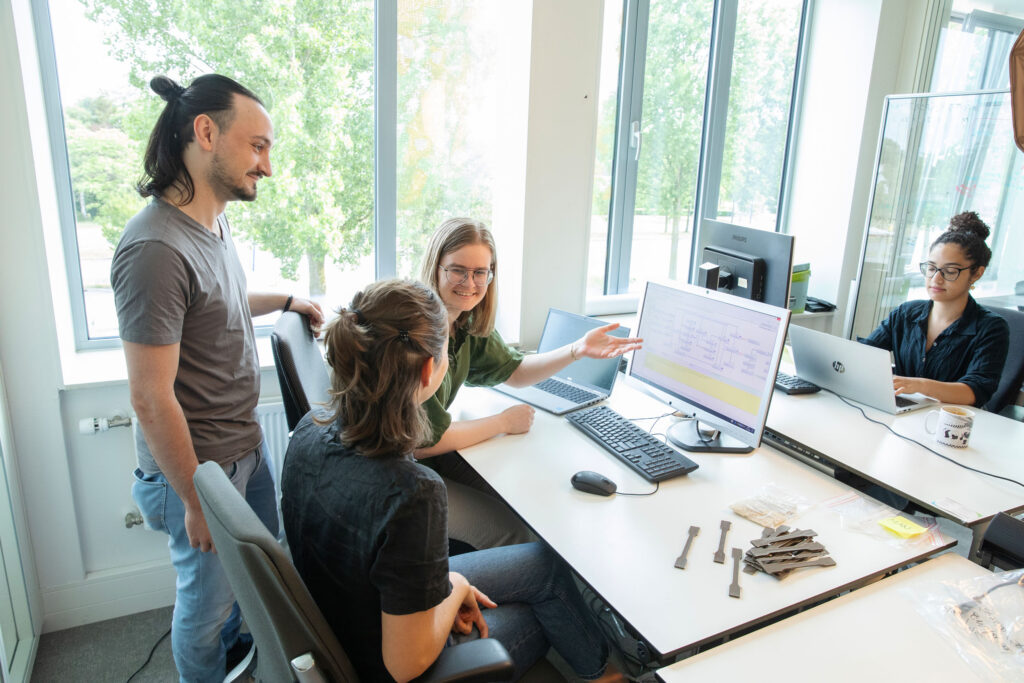
Another strength of Explore Green Futures is its close link to research. Students do not merely learn *about* research; they collaborate with researchers who are actively engaged in the field on a daily basis. This makes the module tangible and practice-oriented.
Filip sees this as a clear added value: “You are essentially working with the researchers all the time. They give lectures and provide guidance.”
A look at the future
Explore Green Futures offers students more than just subject-specific knowledge. The module demonstrates how research works, how different disciplines reinforce one another, and how students can use their own expertise to contribute to the green solutions of tomorrow.
For students wishing to look beyond their own degree program, it is an opportunity to broaden their horizons and gain practical experience in sustainable innovation.