





From fossil-based additives to safe alternatives
Many additives are still derived from fossil-based raw materials. Examples include certain phthalates used as plasticizers, brominated flame retardants, and fluorinated substances used to make textiles water- and oil-repellent. Some of these substances pose risks to human health and the environment, or are persistent in the environment. At the same time, any new additives must deliver the required functional performance and comply with relevant regulations, such as REACH.
SAFEADD addresses this challenge within the Flanders-Netherlands border region. The project will run from June 2026 to May 2029 and is being carried out as part of the Interreg Flanders-Netherlands programme. The development of safe additives is intended to contribute to a stronger chemical industry, create new opportunities for regional SMEs, and reduce the use of substances of concern.
Research from raw material to demonstrator
The researchers begin by identifying which additives in the plastics and textile sectors are considered critical or of concern. Companies provide input for this process through questionnaires and workshops. Key applications and minimum product requirements are also established; this information determines which additives are selected for further development.
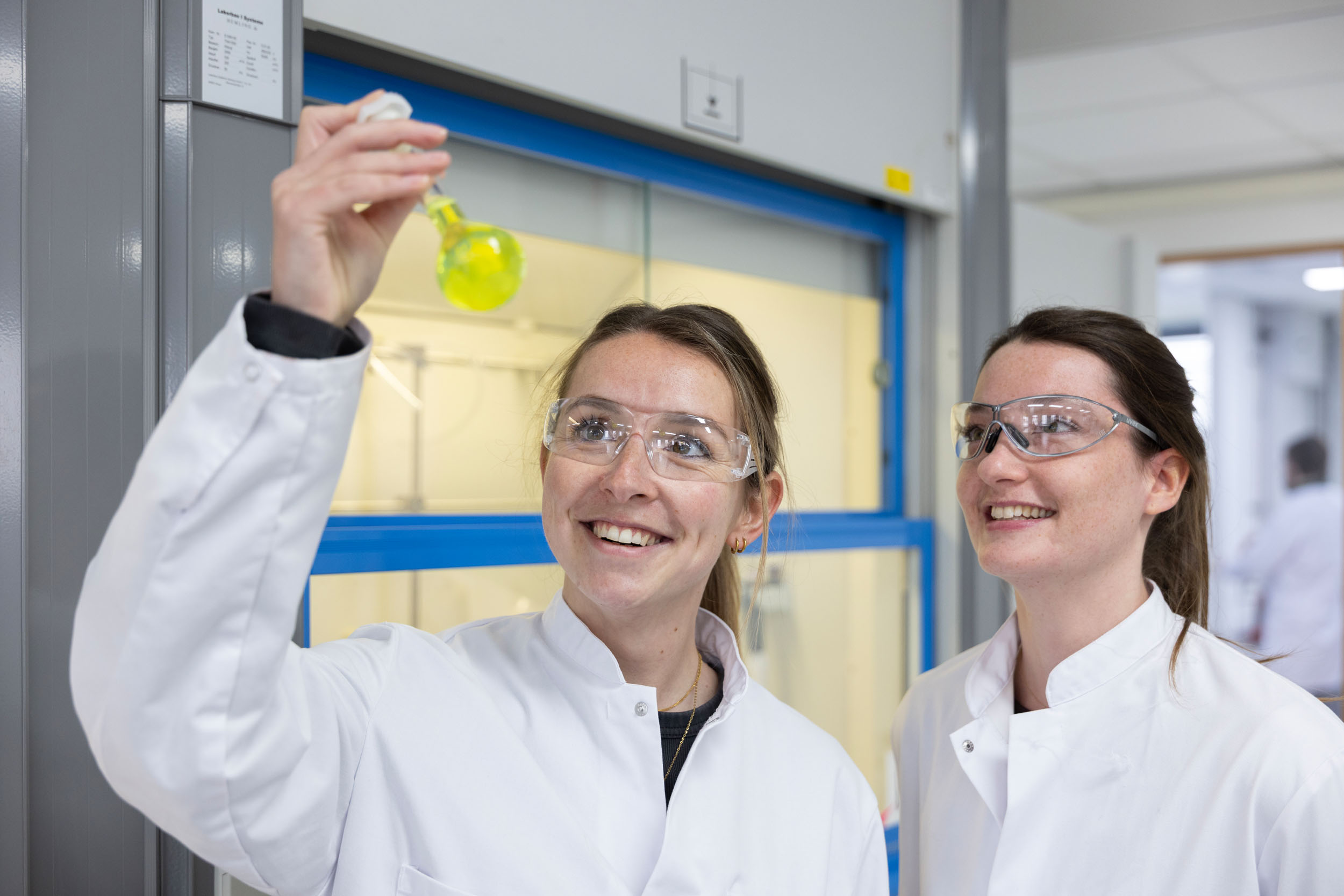
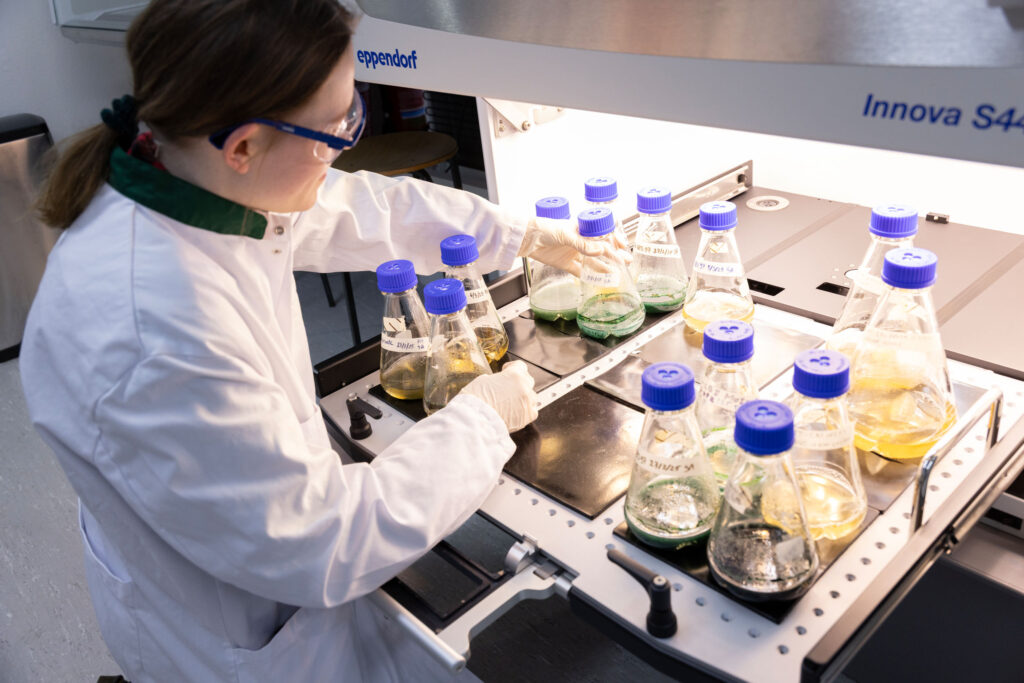
In laboratory studies, bio-based alternatives are developed from sources such as lignin, phytic acid, biochar, fatty acids, vegetable oils, natural resins, and sugar derivatives. The most promising variants are evaluated for their chemical and thermal properties, performance, toxicity, biodegradability, recyclability, CO₂ footprint, and economic feasibility.
A sustainability framework integrates these criteria into an interactive dashboard, allowing researchers to assess—at an early stage of the development process—where an additive performs well and where adjustments may be needed. Subsequently, the additives are incorporated into plastic products, textile coatings, and finishes. Demonstrators illustrate how these solutions function in real-world applications. The research also explores how the materials and additives can be recycled or recovered at the end of their life cycle.
MNEXT’s Substantive Contribution
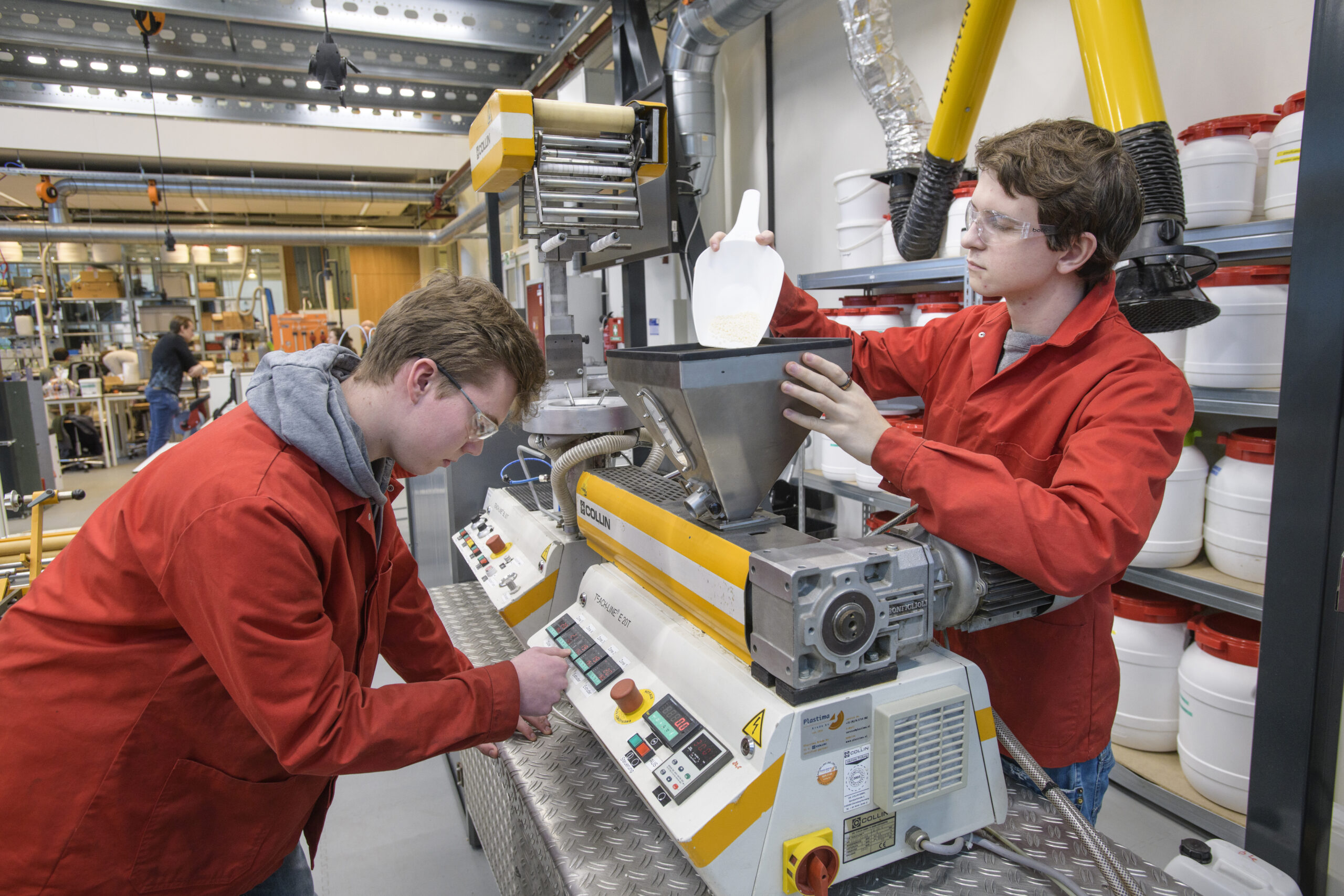
As the lead partner for SAFEADD, MNEXT contributes expertise in biobased polymers and additives for polymers and textiles. Researchers and students conduct applied laboratory research, focusing on the development, characterization, and processing of new additives.
MNEXT bridges the gap between research, education, and professional practice. Students have the opportunity to participate in the development and testing of bio-additives, while companies gain access to knowledge, facilities, and demonstrators. Existing application centers—such as the Biopolymer Application Centre and the Joint Research Centre Breda—support this practice-oriented approach.
Alignment with MNEXT expertise
– Biobased additives: SAFEADD investigates additives based on renewable raw materials as an alternative to fossil-based substances and those of potential concern.
– Biopolymers: The new additives are tested in both biobased and conventional polymers for applications in plastics and textiles.
– Chemical recycling: In addition to thermomechanical recycling, the project explores ways to recover additives and polymers through chemical processes.
– Sustainability and circularity: Factors such as recyclability, biodegradability, toxicity, and carbon footprint are integrated into the development process from the very beginning.
– Scaling up: The most promising additives are scaled up from a gram-scale to quantities suitable for further material testing.
SAFEADD is expected to deliver, among other things, synthesis protocols, test results, demonstrators, and guidelines for the processing of bio-based additives. The sustainability framework is intended to help assess development pathways at an early stage and allow for more targeted adjustments. In addition, protocols will be established for the recycling and recovery of additives from polymer materials.
Through an innovation voucher system, at least eight small and medium-sized enterprises (SMEs) will be able to explore their own specific applications. They will gain access to knowledge and expertise from within the consortium and be able to test additives in relevant materials and processes.
Cross-border collaboration with industry
The consortium brings together a wealth of expertise and experience from both companies and knowledge institutions, ensuring better project outcomes. MNEXT/Avans University of Applied Sciences coordinates the project and leads the development of various bio-additives and material applications. VITO contributes expertise in biobased raw materials, sustainable polymers, and the assessment of health and environmental risks. Centexbel investigates applications within the textile and plastics sectors, including coatings, finishes, processing, and recycling.
Rodenburg Biopolymers provides practical knowledge regarding biopolymers and processing aids. Impershield Europe tests, among other things, biobased flame retardants and plasticizers for use in protective coatings. Through workshops, company visits, demonstrators, and an innovation voucher system, other businesses from the polymer, textile, and recycling sectors are also kept involved. This ensures that the solutions developed align with the specific needs of the cross-border region, while establishing a foundation for future research and further practical application.

June 2026 until May 2029
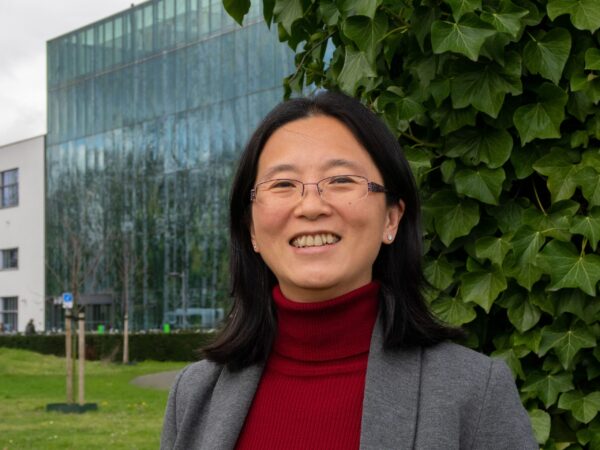
Qian Zhou
Associate lector Biobased Resources & Energy T: +31885256660 E: q.zhou1@avans.nlPartners involved