


From landfill gas to bioplastics
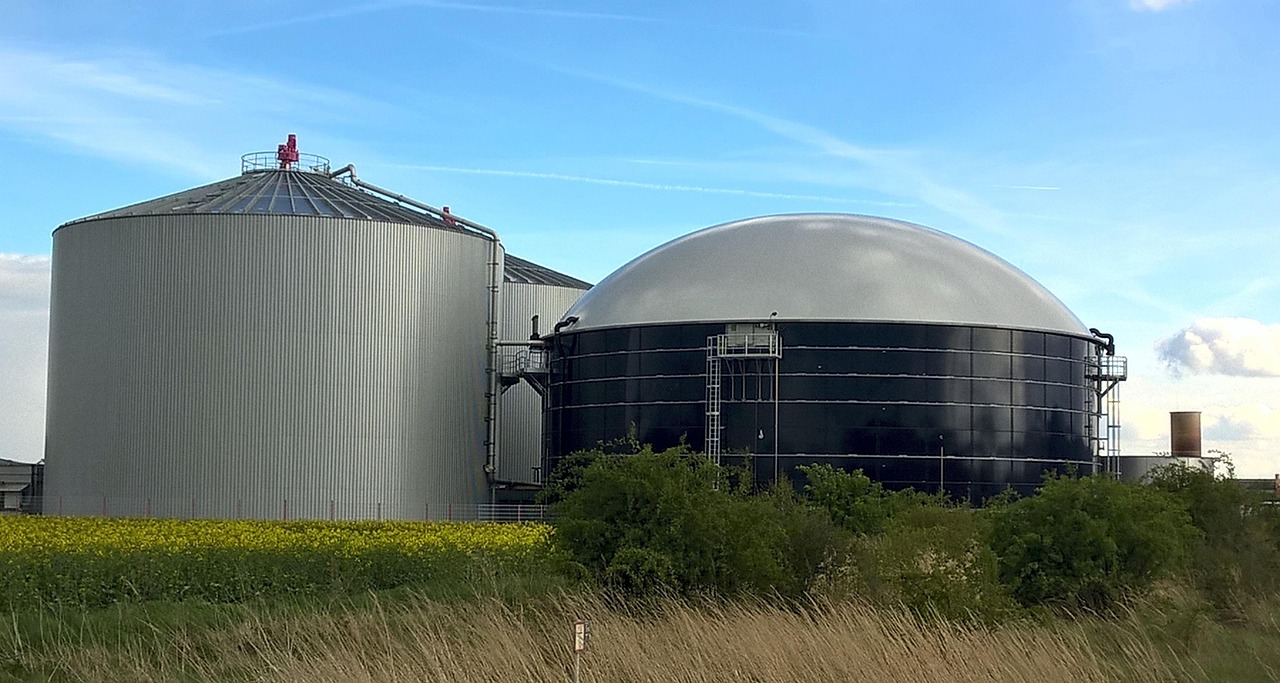
Methane is a powerful greenhouse gas. About 20% of the emissions caused by humans originate from waste, such as landfills. Landfills containing organic matter produce methane-rich landfill gas over a long period of time, up to a hundred years.
When the methane concentration is above 50%, this landfill gas can be captured and channeled into electricity and heat. At lower concentrations, the gas is usually flared or released directly into the atmosphere. This residual stream in particular offers opportunities for innovative and sustainable applications.
Methanotrophic bacteria as a key
Landfill gas with lower methane concentrations can potentially be used to recycle methane into sustainable, biodegradable plastics, such as polyhydroxybutyrates (PHBs), using methanotrophic microorganisms.
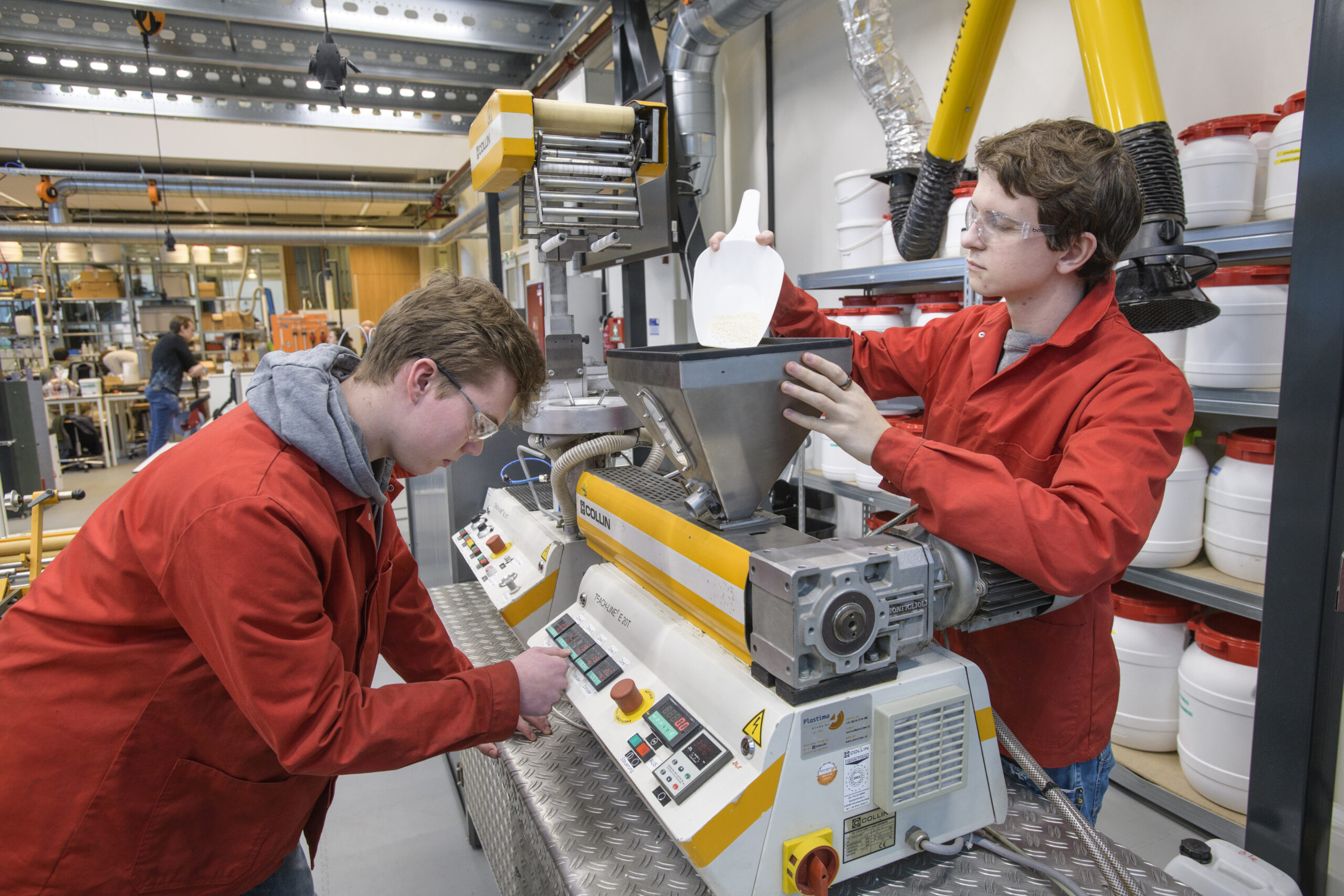
In this project, methanotrophic bacteria isolated from a Dutch landfill by HAN BioCentre are further investigated. The project focuses on cultivating these bacteria in lab-scale bioreactors, using landfill gas as their carbon source.
The goal is to further develop and scale up this biofilter technology, enabling the reduction and utilization of methane emissions for sustainable bioplastic production.
At the same time, the project explores the potential for an economically viable application, enabling the technology to contribute to both climate mitigation and the circular economy in the future.
februari 2025 t/m januari 2027
Guilherme de Souza Reis
Onderzoeker Biobased Resources & Energy E: ga.desouzareis@avans.nlBetrokken partners