





Context: from low-value residual stream to circular raw material
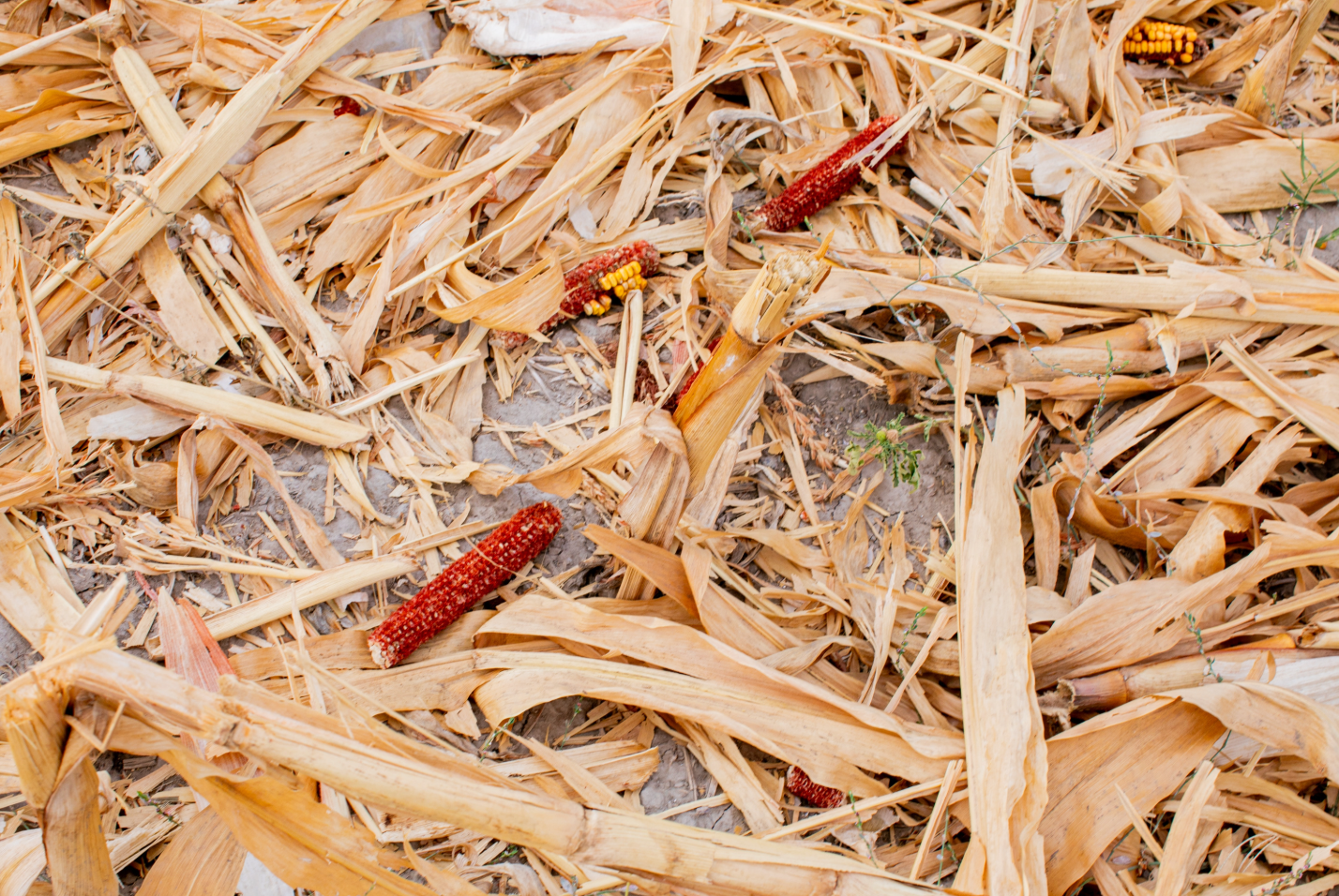
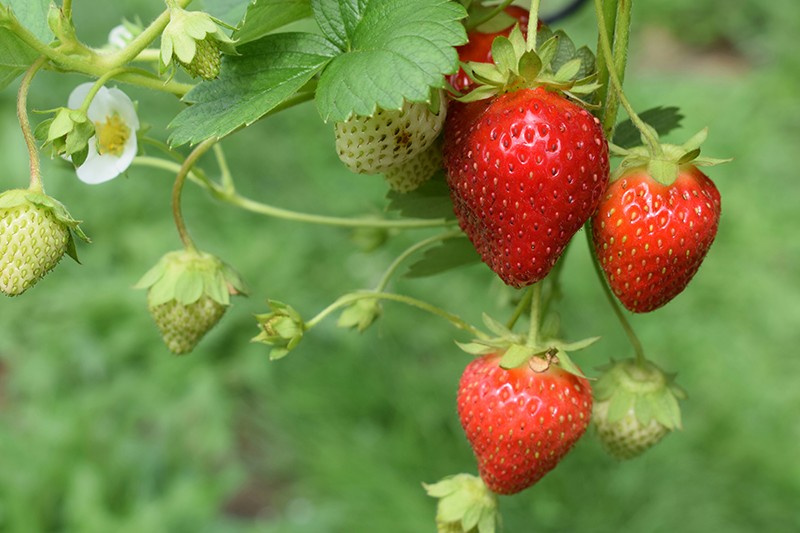
Significant volumes of residual streams are generated annually in Dutch strawberry cultivation. Currently, these are often utilized in a low-value manner or even destroyed, resulting in both missed economic opportunities and unnecessary ecological burden. At the same time, demand for natural, bio-based ingredients with a traceable origin and a lower environmental impact is growing in the food and cosmetic industries.
Consortium partner HG Eerenburg, a family business and strawberry grower from West Brabant, cultivates strawberries on both open fields and substrate and is seeking solutions to better utilize residual streams driven by a strong sustainability ambition. VARTA, the Valorization Lab for Horticultural & Arable Farming Residual Streams, possesses experience in analyzing and processing agricultural residual streams into ingredients, including via an industrial steam distillation (SD) process to extract essential oils. This combination of a practice-oriented grower and a specialized valorization partner forms the starting point for a new chain surrounding strawberry residual streams.
Step-by-step fractionation and chain development
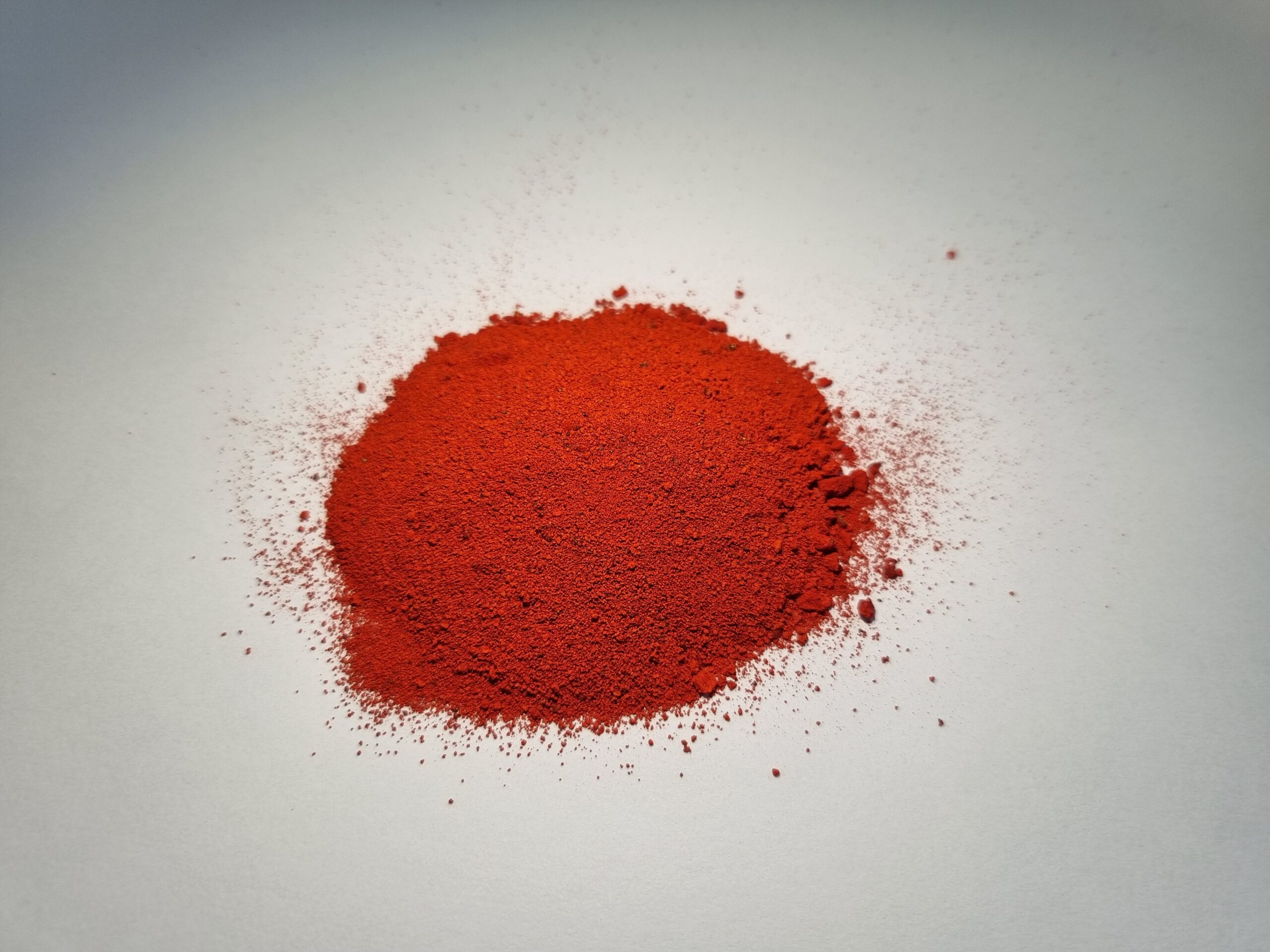
The project focuses on the stepwise fractionation of residual streams from strawberry cultivation. The residual streams are split into various components—for example, aromatic fractions, colorants, and bioactive substances—each of which has its own potential application in food or cosmetics.
An important component is the deployment and further development of steam distillation. VARTA uses an industrial SD process to extract volatile fragrance components such as essential oils; an aqueous byproduct is the hydrosol, which may also possess interesting aromatic and functional properties. The project investigates how these and other fractions can be optimally obtained, purified, and characterized so that they meet the requirements of potential customers.
In addition, the consortium examines practical and economic aspects: the volume and quality of the residual streams at HG Eerenburg, logistics and storage, the scalability of the chosen technologies, and the potential business cases for growers and processors.
Within the project, MNEXT (via HZ University of Applied Sciences and Avans University of Applied Sciences) contributes applied research at the intersection of biorefining, biobased chemistry, and sustainability. The key roles are:
- Developing and evaluating fractionation routes for strawberry residue streams, with an emphasis on mild, biobased processes that preserve the functionality of ingredients.
- Chemical and physico-chemical characterization of the resulting fractions, including aroma profile, stability, and potential functionality as, for example, flavor, fragrance, or protective components.
- Exploring applications in food and cosmetic formulations, in coordination with market parties.
- Assessing the environmental and circularity impact of various scenarios (e.g., comparison with current residue stream processing), to support strategic choices within the supply chain.
Link with MNEXT research themes
The research themes for this project align directly with MNEXT’s core expertise:
- Valorization of agricultural and industrial residual streams: strawberry foliage, non-marketable fruit, and other residual streams are viewed as raw materials for new product chains, rather than as waste..
- Biorefinery: through stepwise fractionation, various components – including aromatic and bioactive fractions – are selectively extracted and utilized in high-value applications.
- Biobased additives: the developed ingredients have potential as natural fragrance, flavor, or functional additives for food and cosmetics, with a clear bio-based origin.
Expected resultats and impact
The project aims to develop technically sound routes for fractionating strawberry residue streams into various ingredient streams, while gaining insight into the quality, stability, and potential applications of these fractions in food and cosmetics. Additionally, initial business cases and scaling-up scenarios are being developed, including an assessment of economic feasibility and environmental impact, and practical knowledge is being built to support growers, processors, and product developers in establishing new, circular chains around strawberry residue streams.
In this way, Strawberry Flavour Forever contributes to a more circular agriculture and horticulture sector, where residue streams are upgraded into recognizable, bio-based ingredients with added value for consumers and producers.
Partners and follow-up
The consortium consists of:
- MNEXT; HZ University of Applied Sciences and Avans University of Applied Sciences – project management and applied research in the field of biobased technology and chemistry, biorefinery, and valorization.
- HG Eerenburg – partner and supplier of strawberry residual streams from open field and substrate cultivation.
- VARTA Valorisatielab Reststromen Tuin & Akkerbouw – technological partner for steam distillation and ingredient development.
Upon completion of the project, follow-up questions naturally arise regarding scaling up, chain development with additional growers and processors, further product development in collaboration with the food and cosmetics industries, and expansion into residual streams from other soft fruit or horticultural crops. In this respect, Strawberry Flavour Forever represents an important step towards a broader, biobased valorization of agricultural residual streams.
Strawberry Flavour Forever is made possible by SIA, within the framework of the KIEM GoChem program.
February 2026 until December 2026
Eric Mattheussens
Onderzoeker Biobased Building Blocks & Products T: +31682502247 E: esgm.mattheussens@avans.nlPartners involved