


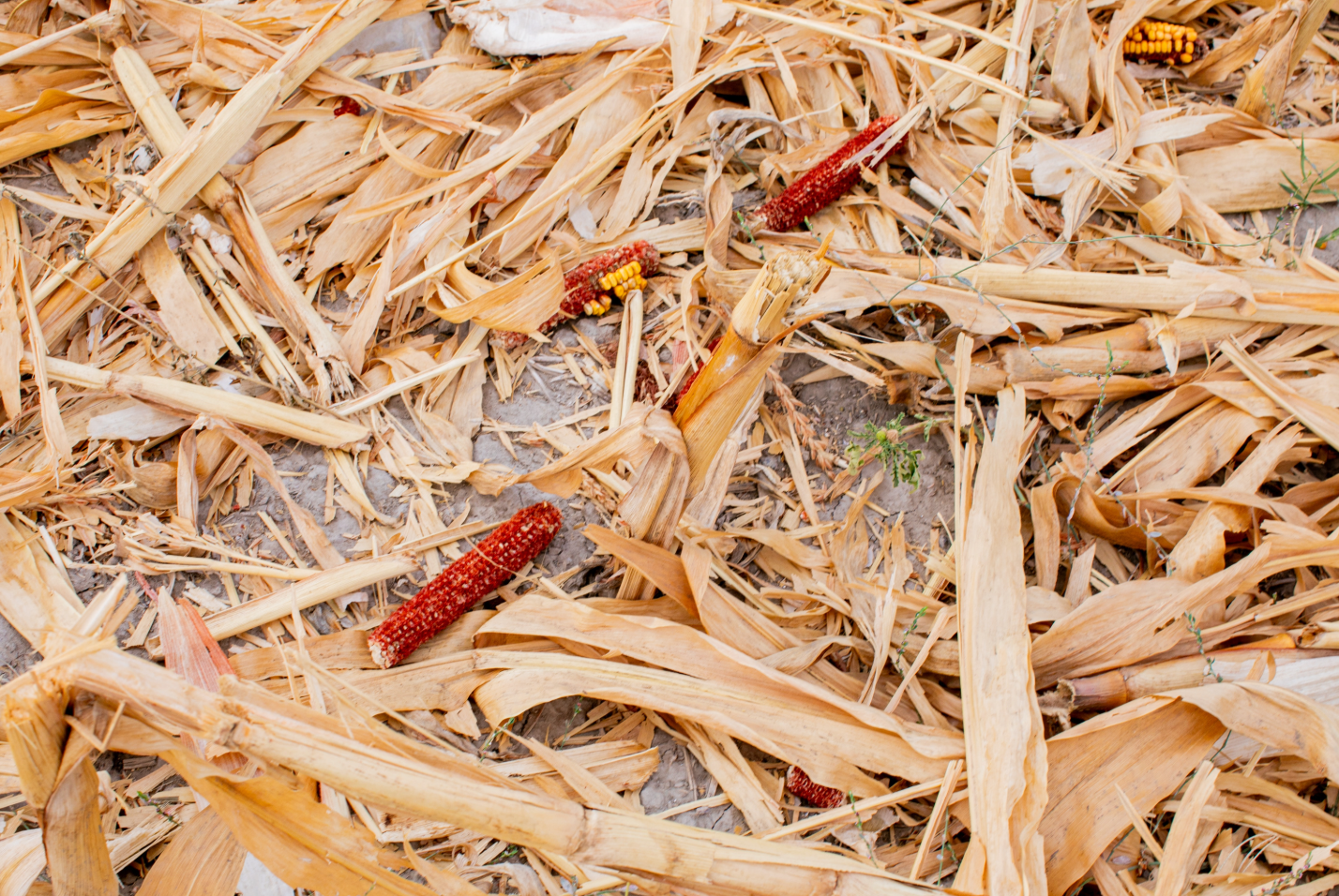
By characterizing these streams and linking them to new conversion technologies, ABEL aims to develop an integrated bio-based value chain, with the objective of contributing to CO₂ reduction and more efficient use of natural resources.
Biomass as a basis for circular decision-making
A key component of ABEL is the systematic mapping of biomass availability, quality, and utilization in the Netherlands.
Researchers from MNEXT (Avans University of Applied Sciences) will combine national and international datasets with practical data from the different waste and biomass sectors.
The analysis focuses on:
- spatial distribution and availability of biomass
- seasonal variation and supply fluctuations
- composition, quality, and contamination levels
- current applications and processing routes
- future availability up to 2040
The data will be integrated into a database and translated into spatial maps and scenario analyses for 2040. These scenarios consider the impact of technological, economic, and policy developments and aim to support the implementation of future circular value chains.
From data to applications
Insights from the biomass availability, quality, and utilization form the basis for of conversion of low-grade residual streams into building blocks for new materials via novel catalytic (thermo)chemical processes.
These building blocks will be used for the synthesis of bio-based polymers, bio-asphalt, and soil amendments for the construction, aviation, infrastructure, and agricultural sectors. In addition, end-of-life recycling and recovery within closed-loop systems will be investigated.
Integrated value chain approach
ABEL combines data analysis, chemical conversion, materials science, and recycling strategies into one integrated framework. Beyond technology development, the project addresses scalability, sustainability, and societal embedding, including economic and environmental impact assessments.
Through this combined data–technology–application approach, ABEL is expected to contribute to the development of a circular bio-based economy in the Netherlands.
January 2026 until July 2030

Nathalie Marquez Luzardo
Lecturer & Researcher Biobased Transitions T: +31885258623 E: nm.marquezluzardo@avans.nlPartners involved