


Not just a technological question
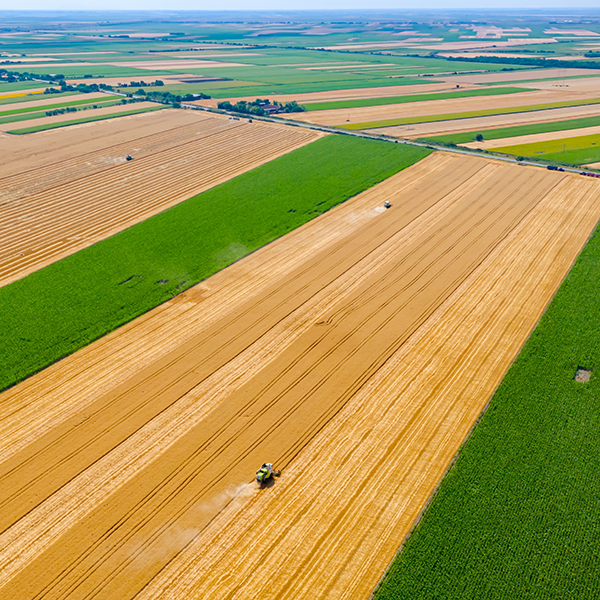
The white paper is structured as a thought experiment. The starting point is clear: suppose technology is available to convert agricultural residues into chemicals such as olefins, including ethylene. Only then does the real question begin: is this logistically feasible, on what scale, and how does it connect to existing industrial facilities and infrastructure?
For fellow researchers, this is a relevant perspective. The publication makes clear that biobased chemistry cannot be viewed in isolation from the surrounding chain. It is not just about conversion technology, but also about locating, collecting, bundling, and pre-processing large quantities of residues via a complex value chain.
A systems perspective on residual streams
The white paper zooms in on a number of very concrete questions: what scenarios are conceivable, how much agricultural residual stream is available, what might processing look like, how do you organize transport, and how fast and effective is such a route actually? In doing so, the publication offers a useful framework for researchers working on biobased raw materials, valorization of residual streams, and scaling-up issues.
This is also of interest to the business community. The analysis explores whether new biobased raw materials can make existing industrial assets relevant again. This makes the white paper valuable for organizations that want to understand how the transition to biobased production relates to infrastructure, supply chain collaboration, and investment choices.

Read, download, or continue the discussion
With this publication, MNEXT shows how applied research makes the materials and energy transition more concrete. Not through quick promises, but by looking precisely at the conditions under which new raw material routes become truly workable.
You can read the white paper immediately or download it to review later. Would you like to discuss the insights from this publication further or explore potential collaboration? Then please contact author Philippa Roots.
Het laatste nieuws
25-09-2026