


Although bio-based construction materials are increasingly used, their VOC emissions are rarely assessed during development. Monitoring at the Waterschap De Dommel demonstration project revealed elevated VOC levels, although it remained unclear which materials contributed to them. Existing emission tests are relatively expensive and require specialised equipment. This highlights the need for an accessible laboratory method to assess the emission behaviour of new materials at an early stage.
Project approach
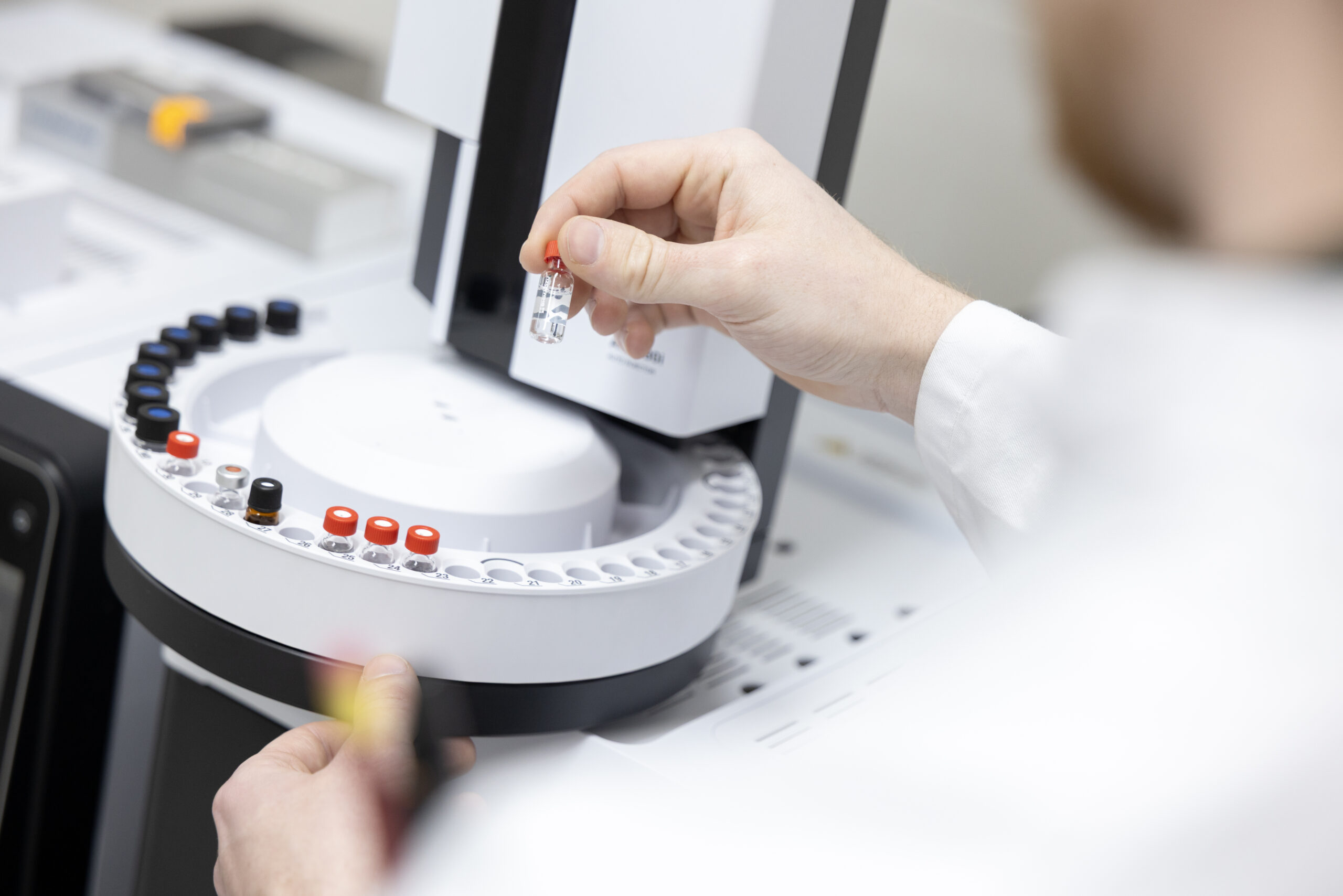
The project will deliver a practical, validated screening protocol, including accessible measurement setups and guidance on interpreting results. VOC emissions will be monitored using sensor-based measurement systems provided by Bouwbiologie Zwolle, complemented by static headspace screening and small-volume emission chamber testing. These methods will enable the team to assess VOC release from materials under controlled conditions. A subset of measurements will be validated using gas chromatography–mass spectrometry (GC–MS), an analytical technique used to identify and measure chemical compounds.
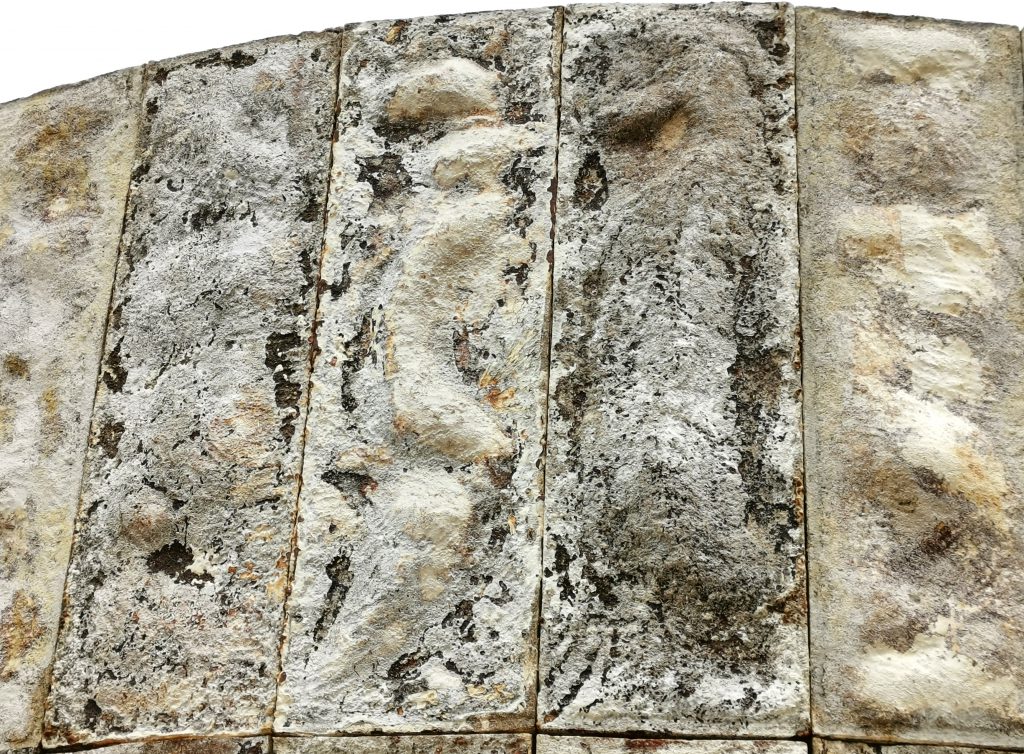
We will apply the method to mycelium-based composites from FC-i and bio-based panels from SAM Panels, generating comparative emission profiles and investigating the influence of temperature, humidity and ageing. Exploratory experiments will also examine whether these materials can take up VOCs from the surrounding air. Findings will be shared through practical guidelines, publications and presentations.
Expected impact
Material developers can use the method to compare formulations and production processes, incorporating emission considerations earlier into product development. Architects will gain insight into the emission behaviour of innovative materials. The results will also help organisations determine when more extensive, standardised testing is needed, supporting the development and responsible application of bio-based construction materials.
The findings could support further research into specific compounds, long-term emissions and material behaviour under realistic conditions. If the exploratory experiments indicate VOC uptake, follow-up research could investigate its mechanism and duration. Other potential next steps include applying the protocol to additional companies and material types and further comparing its results with standardised emission tests.
The VOCScan project is carried out by MNEXT in collaboration with FRAAi Architecten, FC-i, SAM Panels and Bouwbiologie Zwolle. Together, the project partners contribute to research into VOC emissions from bio-based construction materials.
This research is co-funded by Regieorgaan SIA, part of the Netherlands Organisation for Scientific Research (NWO), and ChemistryNL.
September 2026 t/m August 2027




Francisco Ortega Exposito
Researcher Biobased Construction T: +31885256416 E: fa.ortegaexposito1@avans.nlBetrokken partners